Liver diseases are among the fastest-growing health concerns in India. Conditions such as fatty liver disease, obesity, diabetes, alcohol-related liver damage, and viral hepatitis are becoming increasingly common. Unfortunately, liver disease often progresses silently, with many people experiencing no symptoms until significant damage has already occurred.
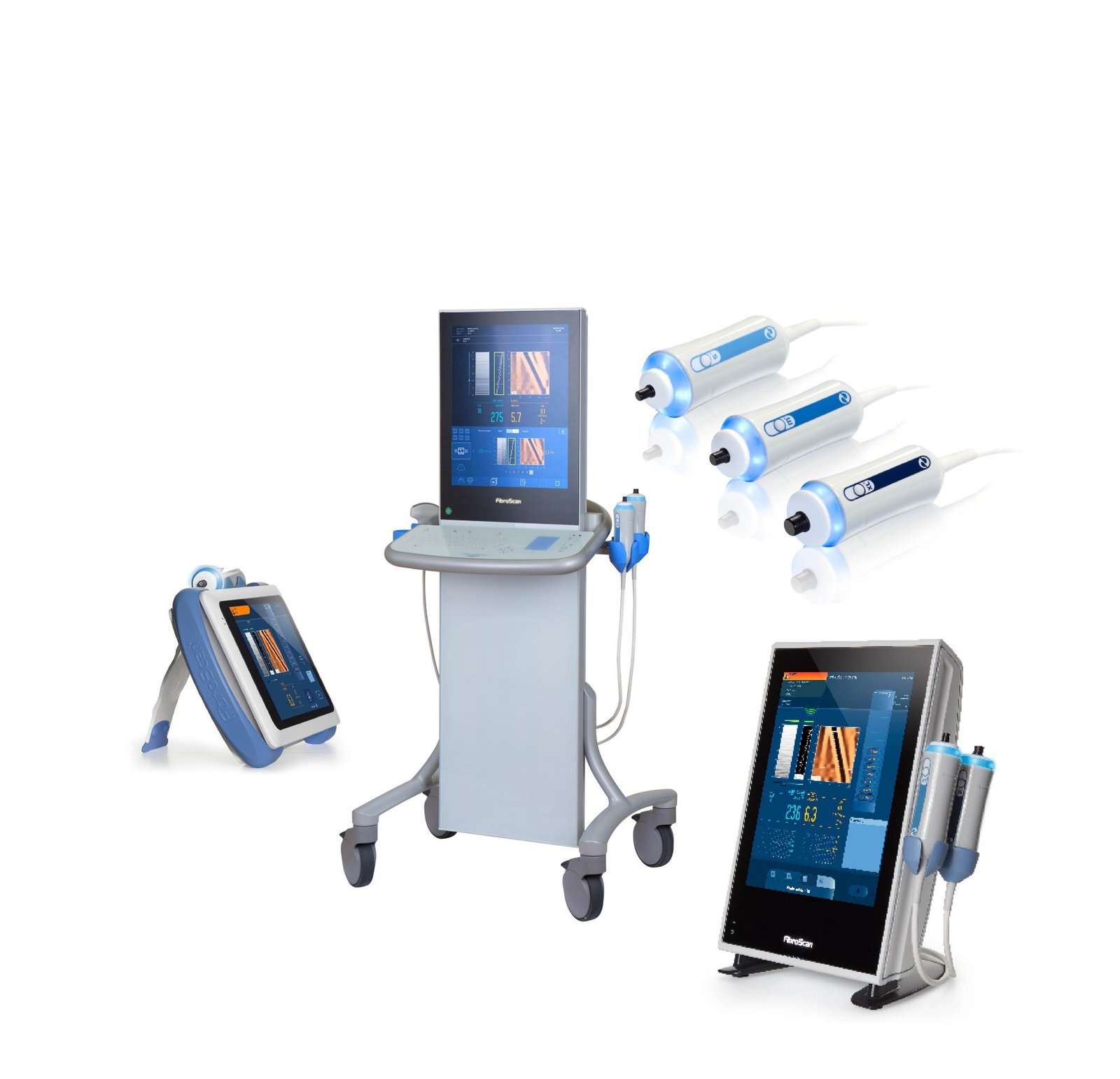
The good news is that modern medical technology allows doctors to detect liver damage early without surgery or painful procedures. FibroScan is an advanced, non-invasive test that accurately measures liver stiffness and fat accumulation, helping diagnose liver fibrosis, fatty liver disease, and cirrhosis.
If you are searching for FibroScan in Dehradun, the Department of Gastroenterology at MS Galaxy Multispeciality Hospital, Kargi Chowk, offers advanced liver evaluation using FibroScan along with comprehensive consultation and treatment for liver and digestive disorders.
What is FibroScan?
FibroScan is an advanced diagnostic test that uses Transient Elastography technology to assess liver health. Similar to an ultrasound, the test measures the stiffness of liver tissue and estimates the amount of fat present in the liver.
Unlike a traditional liver biopsy, FibroScan is:
-
Completely non-invasive
-
Painless
-
Radiation-free
-
Quick and accurate
-
Performed without injections or anesthesia
-
Completed in approximately 10–15 minutes
-
Provides immediate results
The test helps doctors detect liver fibrosis before permanent liver damage develops.
Why is FibroScan Important?
The liver performs more than 500 vital functions, including digestion, detoxification, metabolism, and nutrient storage. When repeatedly damaged by fatty liver disease, viral hepatitis, alcohol, obesity, or diabetes, scar tissue gradually replaces healthy liver cells.
This progression usually follows these stages:
-
Healthy Liver
-
Fatty Liver (Steatosis)
-
Liver Inflammation
-
Liver Fibrosis
-
Liver Cirrhosis
-
Liver Failure
Because liver disease often develops silently, early detection is extremely important. FibroScan helps identify liver damage long before symptoms become severe, allowing timely treatment and lifestyle modifications.
Who Should Get a FibroScan?
Your gastroenterologist may recommend FibroScan if you have:
Fatty Liver Disease
Patients diagnosed with fatty liver on ultrasound should undergo FibroScan to determine whether liver fibrosis has already developed.
Type 2 Diabetes
Diabetes significantly increases the risk of developing fatty liver disease and progressive liver fibrosis.
Obesity
Excess body weight is one of the leading causes of Metabolic Dysfunction-Associated Steatotic Liver Disease (MASLD), previously known as NAFLD.
High Cholesterol or Metabolic Syndrome
People with abnormal cholesterol levels, hypertension, and insulin resistance have a higher risk of liver disease.
Elevated Liver Enzymes
Abnormal SGOT (AST) or SGPT (ALT) values may indicate liver injury that requires further evaluation.
Hepatitis B or Hepatitis C
FibroScan helps assess the severity of liver damage caused by chronic viral hepatitis.
Alcohol-Related Liver Disease
Individuals with long-term alcohol consumption benefit from regular monitoring of liver fibrosis.
Family History of Liver Disease
People with inherited liver disorders or a family history of cirrhosis should undergo regular liver health assessments.
Symptoms That May Indicate Liver Disease
Early liver disease may not produce noticeable symptoms. However, you should consult a gastroenterologist if you experience:
-
Persistent fatigue
-
Weakness
-
Abdominal discomfort
-
Loss of appetite
-
Unexplained weight loss
-
Yellowing of the eyes or skin
-
Swelling of the abdomen or legs
-
Dark-colored urine
-
Persistent itching
-
Nausea or vomiting
Even if you have no symptoms, individuals with diabetes, obesity, or fatty liver should undergo regular liver screening.
Conditions Diagnosed Using FibroScan
FibroScan is useful in evaluating and monitoring:
-
Fatty Liver Disease
-
MASLD (Metabolic Dysfunction-Associated Steatotic Liver Disease)
-
Alcoholic Liver Disease
-
Liver Fibrosis
-
Liver Cirrhosis
-
Chronic Hepatitis B
-
Chronic Hepatitis C
-
Autoimmune Liver Disease
-
Drug-Induced Liver Injury
-
Liver Damage associated with Obesity
How Does FibroScan Work?
FibroScan is performed similarly to an ultrasound examination.
During the procedure:
-
You lie comfortably on an examination bed.
-
The technician places a probe on the right side of your abdomen.
-
Gentle vibrations are transmitted through the liver.
-
The machine measures how quickly these waves travel through liver tissue.
-
The results are displayed instantly.
The procedure takes approximately 10–15 minutes and requires no recovery period.
Is FibroScan Painful?
No.
FibroScan is completely painless.
There are:
-
No injections
-
No cuts
-
No anesthesia
-
No hospital admission
-
No recovery period
Patients can resume normal daily activities immediately after the test.
FibroScan vs Liver Biopsy
Although liver biopsy remains necessary in selected complex cases, FibroScan has become the preferred first-line investigation for many liver conditions.
Advantages of FibroScan
-
Non-invasive
-
Quick procedure
-
Immediate reports
-
No pain
-
No bleeding risk
-
No hospital stay
-
Safe for repeated monitoring
Preparing for a FibroScan
Preparation is simple.
Patients are generally advised to:
-
Avoid eating for 2–3 hours before the test
-
Wear comfortable clothing
-
Bring previous blood reports and ultrasound reports
-
Inform the doctor about existing medical conditions and medications
Your gastroenterologist will provide specific preparation instructions based on your health condition.
Understanding FibroScan Results
FibroScan provides two important measurements.
Liver Stiffness Measurement (LSM)
This measures the degree of liver fibrosis or scarring. Higher stiffness values generally indicate more advanced fibrosis.
Controlled Attenuation Parameter (CAP)
CAP measures the amount of fat present within the liver, helping diagnose and monitor fatty liver disease.
The results are interpreted together with blood tests, imaging findings, medical history, and clinical examination.
Can Fatty Liver Be Reversed?
Yes. In many cases, especially during the early stages, fatty liver disease can be reversed with timely intervention.
Treatment may include:
-
Weight reduction
-
Regular exercise
-
Healthy eating habits
-
Diabetes control
-
Cholesterol management
-
Avoiding alcohol
-
Treatment of viral hepatitis when required
-
Regular follow-up with a gastroenterologist
FibroScan can be repeated periodically to monitor improvement and assess the effectiveness of treatment.
Why Choose MS Galaxy Multispeciality Hospital for FibroScan in Dehradun?
The Department of Gastroenterology at MS Galaxy Multispeciality Hospital provides comprehensive evaluation and treatment for liver and digestive diseases.
Patients benefit from:
-
Advanced FibroScan technology
-
Expert Gastroenterology consultation
-
Comprehensive liver disease evaluation
-
Multispeciality support
-
Modern diagnostic facilities
-
Personalized treatment plans
-
Convenient location at Kargi Chowk, Dehradun
Whether you have fatty liver, hepatitis, elevated liver enzymes, or unexplained digestive symptoms, early diagnosis can help prevent long-term complications.
Frequently Asked Questions
Is FibroScan better than ultrasound?
Ultrasound detects structural abnormalities and fatty liver, whereas FibroScan specifically measures liver stiffness and fat content to evaluate fibrosis and steatosis.
How long does FibroScan take?
The examination typically takes 10–15 minutes.
Is fasting required before FibroScan?
Yes. Patients are generally advised to avoid eating for about 2–3 hours before the examination.
Can FibroScan detect liver cirrhosis?
Yes. FibroScan helps identify advanced liver fibrosis and cirrhosis, although the results are always interpreted along with clinical findings and other investigations.
Is FibroScan safe?
Yes. FibroScan is a safe, radiation-free, non-invasive procedure that can be repeated whenever clinically required.
Who should undergo FibroScan?
People with fatty liver, obesity, diabetes, chronic hepatitis, abnormal liver function tests, alcohol-related liver disease, or a family history of liver disorders should consult a gastroenterologist to determine whether FibroScan is appropriate.
Book Your FibroScan in Dehradun
Early diagnosis is the key to preventing serious liver disease. If you have fatty liver, diabetes, obesity, elevated liver enzymes, hepatitis, or any risk factors for liver disease, do not wait for symptoms to appear.
Visit the Department of Gastroenterology at MS Galaxy Multispeciality Hospital, Kargi Chowk, Dehradun, for advanced FibroScan testing and expert liver care. Our experienced specialists provide accurate diagnosis, personalized treatment, and long-term monitoring to help you maintain optimal liver health.
Official communications and news desk updates from MS Galaxy Hospital.
View Journal Home →