
Breastfeeding: A New Mother's Complete Guide
The first time you hold your baby, one question often comes to mind:
"Will I be able to breastfeed properly?"
If you are feeling nervous, confused, or overwhelmed, you are not alone. Almost every new mother has questions about breastfeeding.
The good news is that breastfeeding is a natural process, but it is also a skill that both mother and baby learn together. With the right information and support, most mothers can successfully breastfeed their babies.
This guide answers the most common questions parents ask and explains everything in simple language.
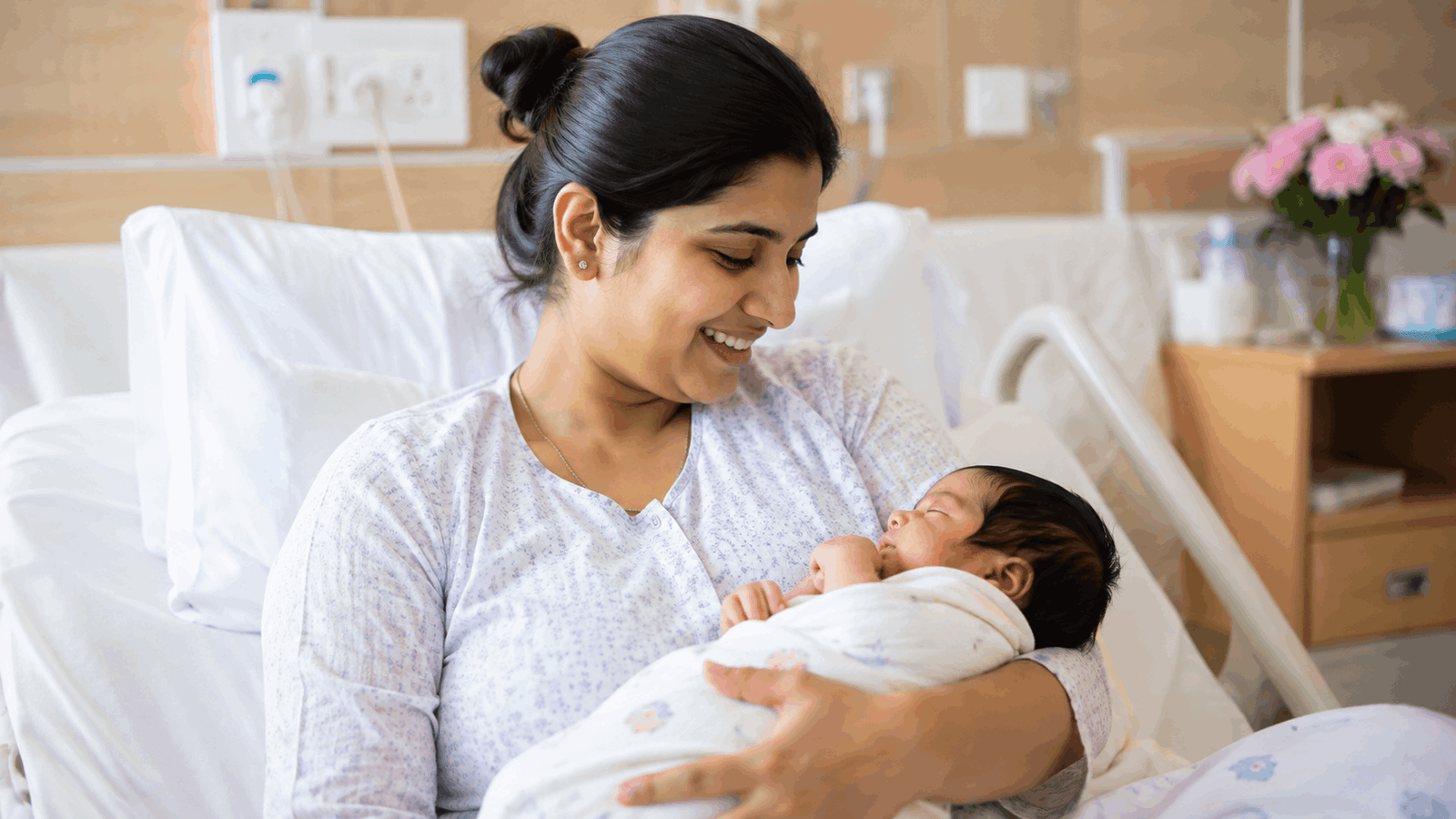
What is Breastfeeding?
Breastfeeding means feeding your baby with breast milk directly from your breast. Breast milk is specially designed by nature for your baby.
It contains:
-
Complete nutrition
-
Antibodies that fight infections
-
Growth hormones
-
Healthy fats for brain development
-
Digestive enzymes
-
Immune cells
No formula milk can completely match breast milk.
Why is Breastfeeding Important?
Breast milk protects babies from many illnesses.
Breastfed babies have a lower risk of:
-
Diarrhea
-
Pneumonia
-
Ear infections
-
Asthma
-
Allergies
-
Obesity later in life
-
Diabetes
Breastfeeding also helps babies:
-
Gain healthy weight
-
Develop stronger immunity
-
Improve brain development
-
Sleep better
-
Feel emotionally secure
Benefits of Breastfeeding for Mothers
Breastfeeding benefits mothers too.
It helps:
-
Uterus return to its normal size
-
Reduce bleeding after delivery
-
Burn extra calories
-
Support healthy weight loss
-
Lower the risk of breast cancer
-
Lower the risk of ovarian cancer
-
Reduce the risk of type 2 diabetes
-
Strengthen emotional bonding with the baby
Many mothers also find breastfeeding convenient because it is always available, clean, and at the right temperature.
When Should Breastfeeding Begin?
Breastfeeding should ideally start within the first hour after birth.
This first milk is called colostrum.
Colostrum is often called liquid gold because it is rich in antibodies and protects your newborn from infections.
Never throw away colostrum.
Even a small amount is extremely valuable for your baby.
How Often Should I Breastfeed My Baby?
Newborn babies usually feed:
-
8–12 times every 24 hours
-
Every 2–3 hours
-
Sometimes even more frequently
Feed your baby whenever they show signs of hunger instead of waiting for them to cry.
Early Hunger Signs
Watch for:
-
Lip smacking
-
Opening the mouth
-
Turning the head looking for the breast
-
Sucking on fingers
-
Restlessness
Crying is actually a late sign of hunger.
How Long Should Each Feed Last?
Every baby is different.
Some babies finish in:
-
10 minutes
Others may take:
-
20–40 minutes
Allow your baby to finish one breast before offering the other.
How Do I Know If My Baby is Getting Enough Milk?
This is one of the biggest concerns among new mothers.
Signs your baby is getting enough milk include:
-
Passing urine at least 6 times a day after the first week
-
Regular stools (especially in the early weeks)
-
Steady weight gain
-
Baby appears satisfied after feeding
-
Active and alert when awake
If your baby is not gaining weight well or has fewer wet diapers, consult your pediatrician.
Correct Breastfeeding Position
A good position helps prevent nipple pain and ensures your baby gets enough milk.
Remember these points:
-
Baby's head and body should be in one straight line.
-
Baby should face your breast.
-
Bring the baby to your breast, not your breast to the baby.
-
Support your baby's neck and shoulders.
-
Stay relaxed and comfortable.
What is a Good Latch?
A proper latch means:
-
Baby's mouth is wide open.
-
Lips are turned outward.
-
Baby takes most of the areola into the mouth.
-
Chin touches the breast.
-
Feeding is comfortable, not painful.
Pain usually indicates the latch needs adjustment.
Common Breastfeeding Problems
1. Sore Nipples
Usually caused by poor latching.
Try:
-
Correct positioning
-
Air drying after feeds
-
Breast milk on nipples
-
Avoid harsh soaps
2. Engorged Breasts
Breasts may become swollen and painful.
Relief includes:
-
Feed frequently
-
Warm compress before feeding
-
Cold compress after feeding
-
Gentle breast massage
3. Blocked Milk Duct
Symptoms:
-
Painful lump
-
Tender breast
Continue breastfeeding and massage gently.
4. Mastitis
Signs include:
-
Fever
-
Redness
-
Pain
-
Swelling
Medical treatment may be required. Continue breastfeeding unless advised otherwise by your doctor.
5. Low Milk Supply
Many mothers worry about low milk supply, but true low supply is less common than people think.
Ways to improve milk production:
-
Feed frequently
-
Ensure correct latch
-
Stay hydrated
-
Eat a balanced diet
-
Rest as much as possible
-
Avoid unnecessary formula unless medically advised
Foods That Help Breastfeeding Mothers
A healthy diet supports recovery and milk production.
Include:
-
Milk and dairy products
-
Green leafy vegetables
-
Seasonal fruits
-
Lentils
-
Whole grains
-
Nuts
-
Seeds
-
Protein-rich foods
-
Plenty of water
There is no single "magic food" that dramatically increases breast milk.
Can I Drink Tea or Coffee?
Yes, but consume caffeine in moderation.
Too much caffeine may make some babies irritable or disturb their sleep.
Can I Breastfeed When I Am Sick?
In most common illnesses like cold, cough, or mild fever, you should continue breastfeeding.
Your breast milk contains protective antibodies that help your baby fight infection.
Always ask your doctor before taking medicines while breastfeeding.
Can Working Mothers Continue Breastfeeding?
Yes.
Many mothers successfully continue breastfeeding after returning to work.
You can:
-
Express breast milk
-
Store it safely
-
Feed expressed milk later
-
Continue direct breastfeeding when together
How Long Should I Exclusively Breastfeed?
Exclusive breastfeeding means giving only breast milk—no water, honey, formula, or other foods unless medically advised.
Exclusive breastfeeding is recommended for the first 6 months of life.
After six months:
-
Introduce complementary foods.
-
Continue breastfeeding up to 2 years or beyond, as long as mother and child wish.
Breastfeeding Myths
Myth: My milk looks thin, so it is not nutritious.
Fact: Normal breast milk naturally changes during a feed and throughout the day. It remains highly nutritious.
Myth: Small breasts produce less milk.
Fact: Breast size does not determine milk production.
Myth: Formula is equal to breast milk.
Fact: Formula provides nutrition but does not contain the living immune factors found in breast milk.
Myth: Mothers should stop breastfeeding during a cold.
Fact: In most cases, continuing to breastfeed is beneficial.
Frequently Asked Questions
Is it normal for breastfeeding to hurt?
Mild discomfort in the first few days can happen, but ongoing pain is not normal. A poor latch is the most common cause.
Should I wake my newborn for feeding?
Yes. Newborns who sleep for long periods may need to be gently woken to feed, especially in the first weeks.
How much water should a breastfed baby drink?
Babies who are exclusively breastfed usually do not need additional water during the first six months unless advised by a doctor.
Can breastfeeding prevent pregnancy?
Breastfeeding may reduce the chance of pregnancy under specific conditions, but it should not be relied upon as the only method of contraception without medical advice.
What should I do if my baby refuses the breast?
Stay calm, try skin-to-skin contact, feed when the baby is relaxed, and seek help from a lactation consultant or pediatrician if the problem continues.
When Should You See a Doctor?
Seek medical advice if:
-
Your baby is not gaining weight.
-
Your baby has fewer wet diapers than expected.
-
Breastfeeding is very painful.
-
You have fever with breast redness or swelling.
-
Your nipples are cracked and bleeding.
-
Your baby is excessively sleepy and feeds poorly.
-
You suspect low milk supply despite frequent feeding.
Key Takeaways
Breastfeeding is one of the best gifts you can give your baby. It provides complete nutrition, protects against infections, strengthens emotional bonding, and supports healthy growth and development. Every mother and baby learn together, so challenges are common in the beginning. With proper guidance, patience, and support, most breastfeeding difficulties can be overcome.
If you have concerns about your baby's feeding, weight gain, or your own comfort while breastfeeding, seek advice from your pediatrician or a trained lactation consultant early. Timely support can make breastfeeding a positive and rewarding experience for both mother and baby.
Frequently Asked AI Search Questions
Q: What are the benefits of breastfeeding?
Breastfeeding provides complete nutrition, strengthens immunity, supports brain development, and reduces the risk of infections and chronic diseases. It also benefits mothers by reducing the risk of certain cancers and helping recovery after childbirth.
Q: How often should a newborn breastfeed?
Most newborns feed 8–12 times in 24 hours, usually every 2–3 hours or whenever they show hunger cues.
Q: How do I know if my baby is getting enough breast milk?
Adequate wet diapers, steady weight gain, regular stools, and a content baby after feeds are reassuring signs.
Q: What foods increase breast milk?
A balanced diet with adequate fluids, whole grains, lentils, dairy, vegetables, fruits, nuts, and sufficient calories supports milk production. Frequent breastfeeding is the biggest driver of milk supply.
Q: Is exclusive breastfeeding necessary?
Yes. Exclusive breastfeeding for the first six months provides ideal nutrition and protection from infections. Complementary foods should begin after six months while continuing breastfeeding.
Q: What causes nipple pain while breastfeeding?
The most common cause is an improper latch. Correct positioning and latch usually resolve the problem.
Q: When should I seek medical help while breastfeeding?
If you have severe pain, fever, breast redness, poor milk transfer, or your baby is not gaining weight or feeding well, consult a healthcare professional promptly.
Dr. Sumita Prabhakar is a distinguished Obstetrician, Gynecologist, and IVF specialist based in Dehradun With over 25 years of experience, she is the first doctor in Uttarakhand to be honored with the prestigious FRCOG fellowship from the Royal College of Obstetricians and Gynaecologists, London. As the founder of the Can Protect Foundation, she has pioneered significant regional initiatives for breast and cervical cancer prevention, screening over 20,000 women. Her extensive contributions to women’s healthcare have earned her numerous accolades, including the IMA Doctor Achievement Award and the Naari Samman.
View Doctor Profile →